
Socastee Divorce Records and Horry County Court Filings
Socastee is an unincorporated community along the Intracoastal Waterway in Horry County, near Myrtle Beach. Because Socastee has no city government of its own, residents look to Horry County for public services including court records. All Socastee divorce filings go to Horry County Family Court in Conway. This guide covers how to find Socastee divorce records, what the filing process requires, where to request certified copies, and how to access case information through online and in-person channels.
Socastee Quick Facts
Where Socastee Divorce Cases Are Filed
Socastee is an unincorporated community, which means it has no city government, no municipal court, and no local government records office. Horry County handles all government services for Socastee residents, including the courts. Divorce filings for Socastee residents go to Horry County Family Court, located at 1301 2nd Avenue, Conway, SC 29526. The court's phone number is (843) 915-5080.
South Carolina law gives Family Court exclusive jurisdiction over divorce. This has been true since 1976 when the Family Court was formally established. Venue is governed by S.C. Code Ann. § 20-3-60, which directs filings to the county where the defendant spouse lives. If the defendant lives outside South Carolina, the plaintiff may file in their own county. For Socastee residents, that means filing in Horry County at the Conway courthouse.
The Horry County Clerk of Court is the official custodian of all divorce case records for the county. The clerk manages filings, issues certified copies, and maintains records for the 15th Judicial Circuit, which covers Horry County.
Socastee as an Unincorporated Community
Unlike cities such as Myrtle Beach or Conway nearby, Socastee does not have its own incorporated government. There is no mayor, no city council, no municipal court, and no city hall. Horry County provides all government services to Socastee residents, from road maintenance to law enforcement through the Horry County Sheriff's Office. For court matters including divorce, the county is the only point of contact.
The Horry County government operates a range of services that extend throughout unincorporated areas like Socastee. The county's neighborhood services department, accessible at horrycounty.org, handles community concerns at the local level. But for divorce records and family court matters, the Horry County Clerk of Court in Conway is always the right place to go.
Socastee's unincorporated status does not affect how divorce law applies. State law covers all South Carolina residents regardless of whether they live in an incorporated city or an unincorporated area. The same rules, timelines, and procedures apply to Socastee residents as to anyone else in Horry County.
Residency Requirements for Divorce in Socastee
South Carolina sets residency requirements for divorce filings under S.C. Code Ann. § 20-3-30. If only one spouse lives in South Carolina, that spouse must have been a resident for at least one year before filing. If both spouses live in South Carolina, the requirement drops to three months. Socastee residents who have lived in the community for the required time are eligible to file in Horry County.
Residency means actual domicile. Courts look at where you genuinely live and intend to remain. Living in Socastee while planning to return to another state does not meet the requirement. Documentation such as utility bills, a lease agreement, a South Carolina driver's license, or voter registration records showing a Socastee address can be used to prove residency if it is disputed.
Horry County's population includes many seasonal and part-year residents given its coastal location near Myrtle Beach. If your situation involves mixed residency between South Carolina and another state, the one-year rule likely applies. A family law attorney familiar with the area can help clarify your specific situation.
Note: Residency and venue are separate requirements. Satisfying the residency rule does not automatically determine which county your case belongs in.
Grounds for Divorce Available to Horry County Residents
South Carolina law lists five grounds for divorce under S.C. Code Ann. § 20-3-10. The no-fault ground, one year of continuous separation, is the most widely used throughout South Carolina including Horry County. Fault-based grounds include adultery, physical cruelty, habitual drunkenness or drug use, and desertion for at least one year. The no-fault route avoids the need to prove misconduct and tends to be less contentious than fault-based cases.
The one-year separation requirement is taken seriously by South Carolina courts. The spouses must have lived apart without any cohabitation for one full year. A brief return to living together, even temporarily, can restart the clock. Many Socastee couples who have been separated for a year and a half or more choose this ground because it simplifies what needs to be proven in court.
Fault grounds affect more than just the basis for ending the marriage. Adultery, when proven, can bar the at-fault spouse from receiving alimony. Evidence of physical cruelty or substance abuse can influence custody decisions. These downstream effects make the choice of grounds a meaningful strategic decision that should be considered carefully.
Searching Socastee Divorce Records Online
The SC Judicial Branch maintains a public case search portal at sccourts.org. Anyone can search for divorce case records by party name or case number. Horry County Family Court cases, including those filed by Socastee residents, appear in this index. The system shows case status, filing dates, scheduled hearings, and whether a final order has been entered in the case.
The Horry County government portal provides access to county services and resources for Socastee and other unincorporated communities, though court records are maintained through the SC Judicial Branch system.
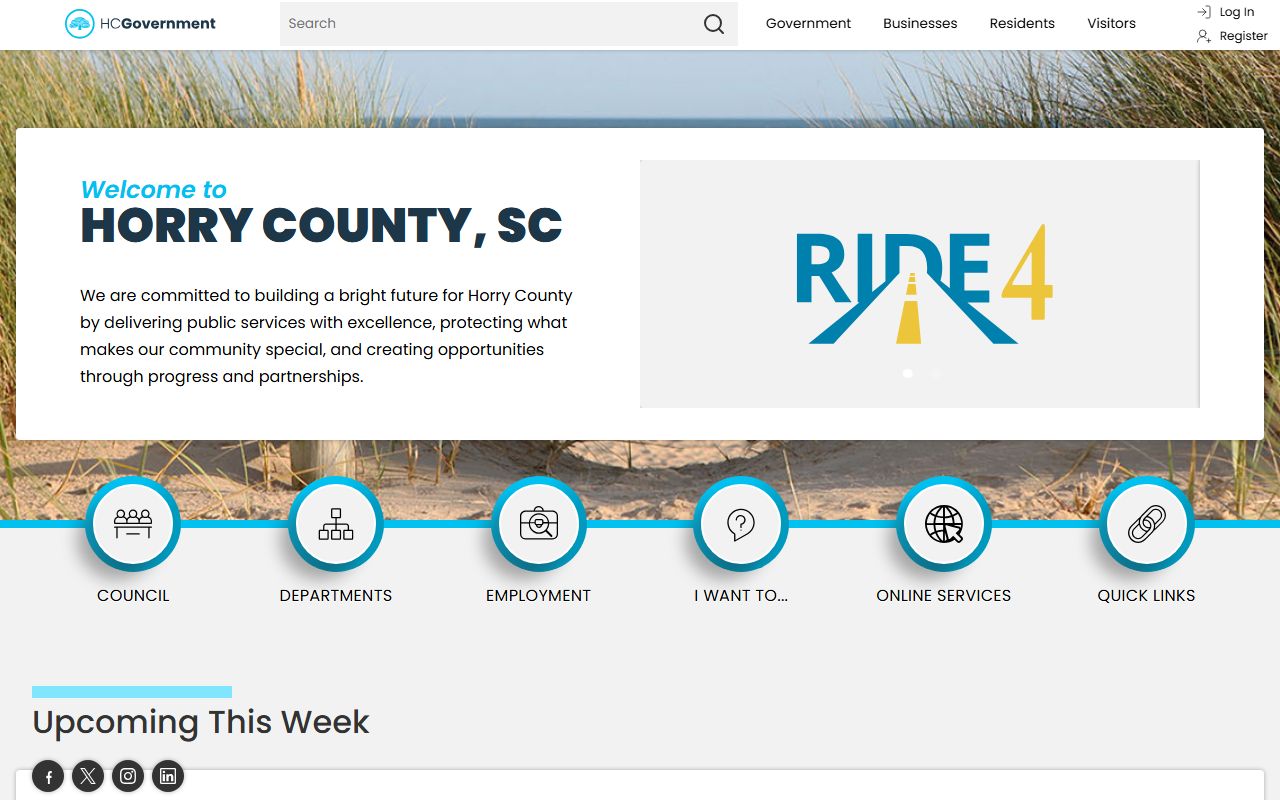
The Horry County portal is a useful starting point for understanding county services and locating the right department, but actual case records are found through the SC Courts public index or the Clerk of Court directly.
Home addresses are no longer visible in the public case index as of January 1, 2026. Party names, case numbers, attorney records, and key milestones remain accessible. For full document copies, contact the Horry County Clerk of Court or visit the courthouse in Conway. Fees apply for certified copies, and the clerk can confirm current rates by phone at (843) 915-5080.
DPH Divorce Reports for Socastee Cases
The South Carolina Department of Public Health holds divorce reports for cases finalized between July 1962 and December 2023. These reports are not the same as court case files. A DPH divorce report is a brief official record confirming the divorce occurred. The fee for a certified copy is $12 per report. Orders can be placed through VitalChek or directly through dph.sc.gov.
DPH reports are useful when you need a short official document confirming a divorce and do not need the full court file. Common uses include name change applications, insurance and benefits filings, and certain government document requests. For cases finalized after December 2023, the DPH no longer holds reports. The Horry County Clerk of Court is the only source for official records on those cases. The standard South Carolina divorce Final Order form is SCCA299.
The South Carolina Family Court system handles all divorce cases in the state, including those filed by Socastee residents through Horry County Family Court in Conway.
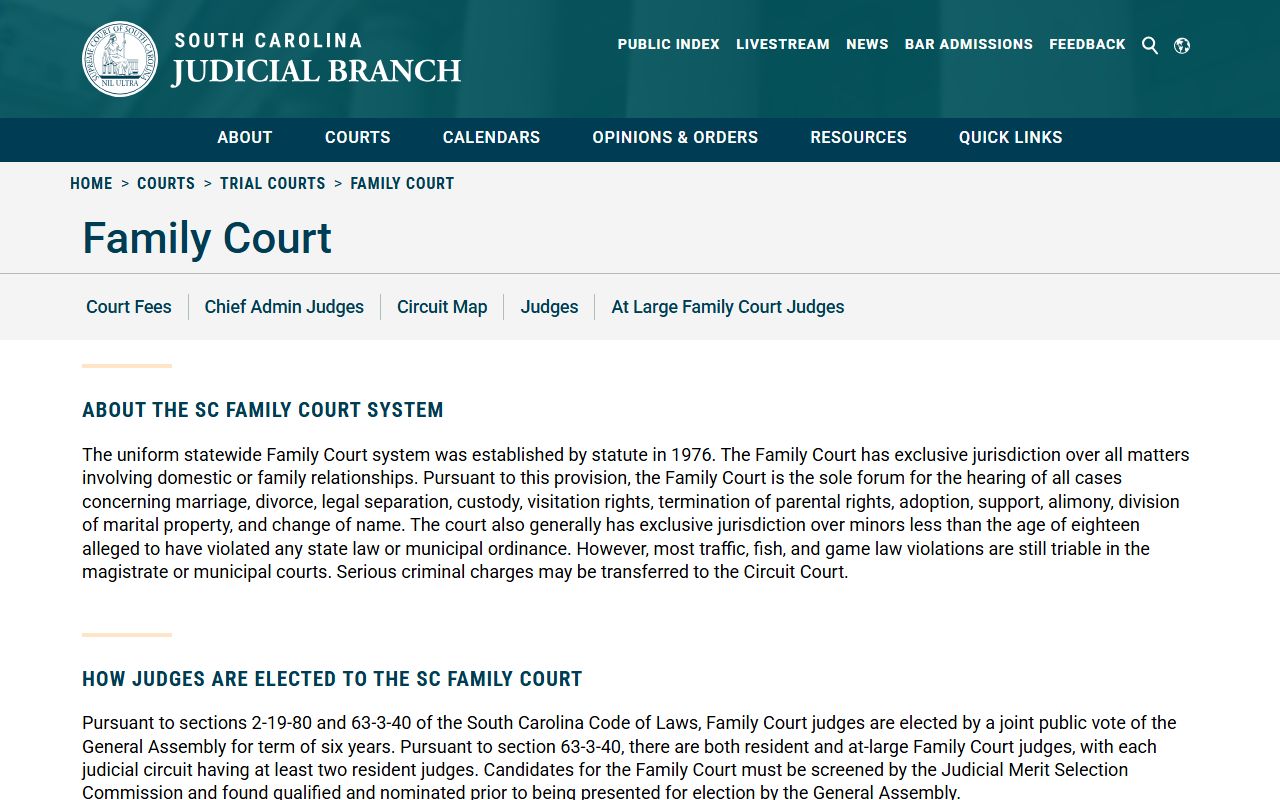
Understanding the difference between a DPH report and a Family Court final order helps Socastee residents choose the right document for their specific purpose.
Note: For divorces finalized before July 1962, DPH holds no record. The Horry County Clerk of Court is your only source, and records from that era may only exist as paper files at the courthouse.
Property Division for Socastee Residents
South Carolina uses equitable distribution to divide marital property in divorce cases. Under S.C. Code Ann. § 20-3-620, the court divides marital property fairly, though not necessarily in equal shares. Judges consider the length of the marriage, each spouse's financial contributions, the economic condition of each party after the marriage ends, and other relevant factors. Socastee's location near Myrtle Beach means many residents own property that may have appreciated significantly, making valuation and division a meaningful part of the divorce process.
Only marital property is subject to division. Property owned before the marriage, inherited assets, and certain gifts are generally treated as separate property. When separate property has been used jointly or mixed with marital assets over time, distinguishing it from marital property can become complicated. Courts look at how property was actually treated during the marriage, not just original ownership documents.
Residents who need legal help can reach SC Legal Services for free civil legal assistance if they qualify. The SC Bar's lawyer referral service is available at (803) 799-6653 for referrals to family law attorneys serving the Horry County area.
Public Access to Socastee Divorce Records Under FOIA
South Carolina's Freedom of Information Act, codified at S.C. Code Ann. § 30-4-10, gives anyone the right to access government records. Divorce case files held by the Horry County Clerk of Court are public records. You do not need to be a party to the case to request access. Any person can ask to inspect or obtain copies of most divorce documents, and the clerk's office must respond to requests within a reasonable time.
Exceptions apply in limited situations. Records involving minor children may be restricted. Sealed cases, orders of protection, and certain sensitive filings may be withheld from public access. Outside those categories, Socastee divorce records are open to inspection. Requests can be made in person at the Horry County courthouse in Conway or submitted in writing to the Clerk of Court's office.
South Carolina court forms used in divorce proceedings are available at sccourts.org/court-forms/. Filing accurate and complete paperwork from the start reduces delays and helps Socastee residents move through the Horry County Family Court process as efficiently as possible.
Waiting Periods and Timelines in Horry County Divorce Cases
South Carolina requires a minimum waiting period for all divorce cases. The court will not refer a case to a final hearing until at least two months have passed from the filing date. The final decree cannot be entered before three months from filing. These timelines are fixed by state law and apply to every case in Horry County, including Socastee filings. No exception exists for uncontested or simple cases.
Contested cases often take longer. Disputes over property, custody, or support can extend a case to a year or more. Filing complete paperwork at the outset, responding to court notices promptly, and working toward agreement on uncontested issues all help keep a case moving on schedule. The Horry County Family Court staff can answer procedural questions but cannot provide legal advice.
Horry County Divorce Records
All divorce filings for Socastee residents are part of the Horry County court record system. As an unincorporated community, Socastee has no separate record-keeping structure. Everything runs through Horry County and the Family Court in Conway. For complete county-level information on filing procedures, record access, and court contacts, visit the Horry County records page.
Nearby South Carolina Cities
Socastee sits in the heart of the Grand Strand region of Horry County. Neighboring communities have divorce record resources accessible through county family courts. Explore the pages below for information on records in cities near Socastee.