
Fort Mill Divorce Records
Fort Mill is one of the fastest-growing towns in South Carolina and sits within York County, part of the greater Charlotte metro area. Residents who need to file for divorce or access divorce records must go through the York County Family Court, located in York — the county seat about 20 miles away. This guide covers how to find records, what the filing process involves under South Carolina law, what records contain, and where to get help with a case.
Fort Mill Quick Facts
Where Fort Mill Residents File
Fort Mill is a town in York County. There is no family court in Fort Mill itself. All divorce filings for Fort Mill residents go to the York County Family Court at 1675-2A York Highway in York. York is a short drive south and west of Fort Mill. The courthouse handles all family law matters for the entire county, including divorce, custody, and support cases.
South Carolina's venue rules under § 20-3-60 allow a divorce to be filed in the county where either spouse lives. Since Fort Mill is in York County, that is where the case goes. If your spouse has moved out of state, you can still file in York County as long as you have met the residency requirement. The court applies these rules the same way for every town in the county.
The Town of Fort Mill provides local government services and information through its official site. Family court matters are handled at the York County level.
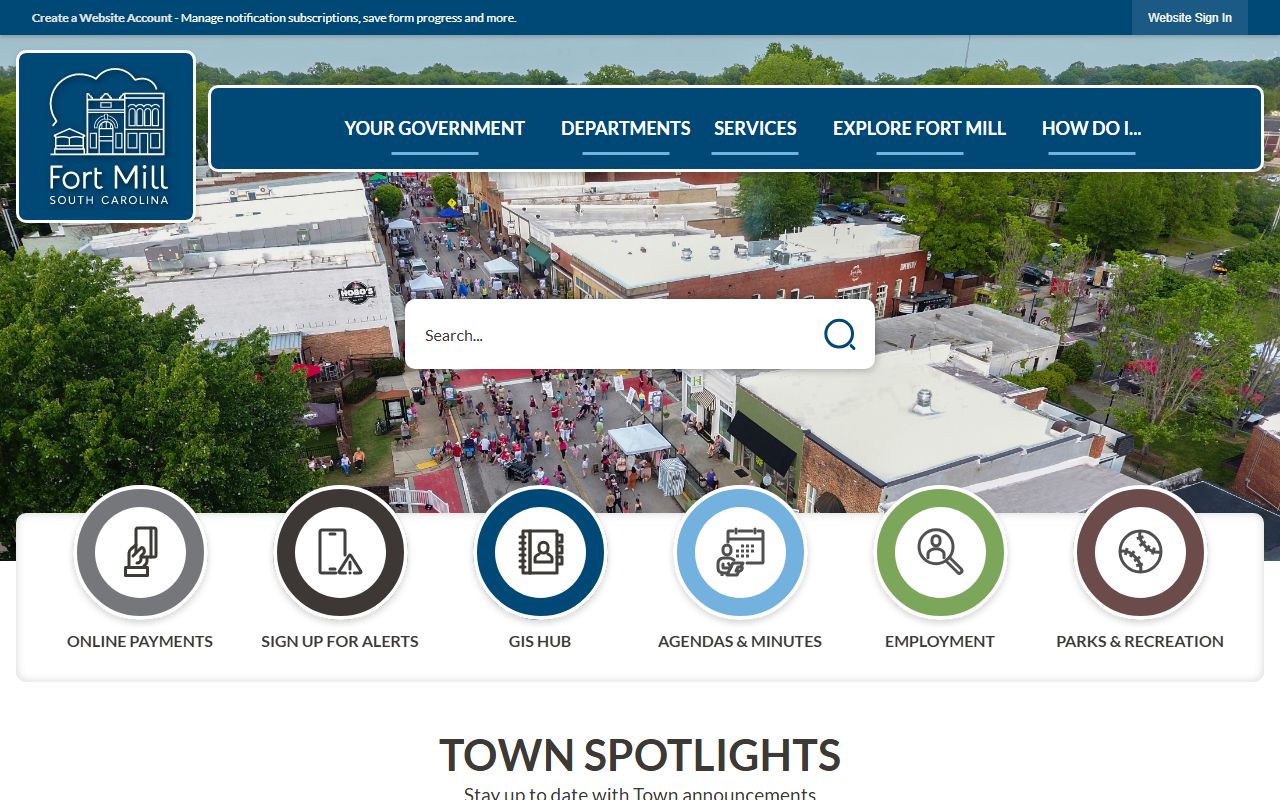
Fort Mill's rapid growth has made it one of South Carolina's most talked-about communities. All divorce records and filings for Fort Mill residents go through York County Family Court in York.
| Court | York County Family Court 1675-2A York Highway, York, SC 29745 Phone: (803) 628-3036 |
|---|---|
| Hours | Monday through Friday, 8:30 AM to 5:00 PM |
| Website | yorkcountygov.com |
Note: Fort Mill's population has grown sharply in recent years due to its proximity to Charlotte, NC. This growth has made York County one of the busier family courts in the state.
How to Search Fort Mill Divorce Records
The South Carolina Judicial Branch offers a free online search tool called Public Index. You can search York County divorce cases by name or case number. The tool returns case status, filing dates, and docket entries. Full documents are not available online, but the index is a fast way to confirm whether a case exists and to get the case number needed to request documents.
For full records, visit the York County Clerk of Court in York. In-person visits allow you to review complete case files. Here is what to bring:
- A government-issued photo ID
- The names of both parties or the case number if known
- Payment for copy fees charged per page
- A written request if you need certified copies for legal use
Staff at the York County clerk's office can help you search for a case and explain what documents are available. They can also tell you how to get certified copies. They cannot give legal advice.
Note: As of January 1, 2026, home addresses have been redacted from South Carolina public court records. Records accessed after that date will not show full residential addresses for any party.
Filing for Divorce in Fort Mill
South Carolina offers both fault and no-fault divorce options under § 20-3-10. Fault grounds include adultery, physical cruelty, habitual drunkenness, and desertion for at least one year. The most common approach is no-fault divorce based on one year of continuous separation. This ground is popular because it does not require either spouse to prove wrongdoing. It is straightforward, and many Fort Mill residents who separate use this path.
Residency rules under § 20-3-30 state that if both parties live in South Carolina, one must have been a resident for three months before filing. If one spouse lives outside the state, the South Carolina resident must have lived here for one year. Fort Mill's steady population means most residents easily meet this requirement by the time their separation year is up. Once the time criteria are satisfied, the filing spouse submits a complaint to the York County Family Court clerk.
After filing, the other party is served with the complaint and has time to respond. South Carolina requires a waiting period under § 20-3-80 before the divorce can be finalized. For most cases, the court will not hold a final hearing until at least three months after the complaint was filed. A family court judge must sign the final decree. That signature and the clerk's entry of the order make the divorce legally complete.
Property matters fall under § 20-3-620, which governs equitable distribution in South Carolina. Alimony questions are handled under § 20-3-130. Both issues can be resolved in the same case or through a separate agreement.
Fees and Costs for Fort Mill Divorces
Filing a divorce complaint in South Carolina carries a fee of approximately $150. This is the base cost for starting the case. Additional costs may include fees for serving the other party, filing motions, or requesting certified copies of the decree. Contested cases that require multiple hearings will cost more than simple uncontested ones.
If you cannot afford the filing fee, you may apply for a waiver by submitting a financial affidavit to the York County clerk. The court reviews your income and expenses and decides whether to waive the fee. People receiving public assistance or earning below a certain level often qualify. Ask the clerk for the waiver form before concluding you cannot file.
Note: Call the York County Family Court at (803) 628-3036 before visiting to confirm current fees and find out what forms of payment are accepted.
What Divorce Records Include
York County divorce case files are public records in South Carolina with limited exceptions. A full case file typically contains the following documents:
- The divorce complaint and any response or counterclaim
- Financial declarations listing assets, debts, and income
- Temporary orders issued during the case
- A marital settlement agreement if the parties reached one
- Custody and support orders if children were involved
- The final decree of divorce signed by the judge
The final decree is the most important document in the file. It is the legal proof that the marriage ended. Certified copies of the decree can be used for name changes, remarriage applications, insurance updates, and estate matters. You can request them from the York County clerk at a per-page cost.
Divorce Certificates from South Carolina DPH
South Carolina's Department of Public Health keeps divorce report records for divorces filed in the state from July 1962 through December 2023. These reports are separate from court records and cost $12 each. They can be ordered through the DPH website or through VitalChek online.
The South Carolina DPH vital records office processes requests for divorce reports, which are available for cases filed between July 1962 and December 2023.
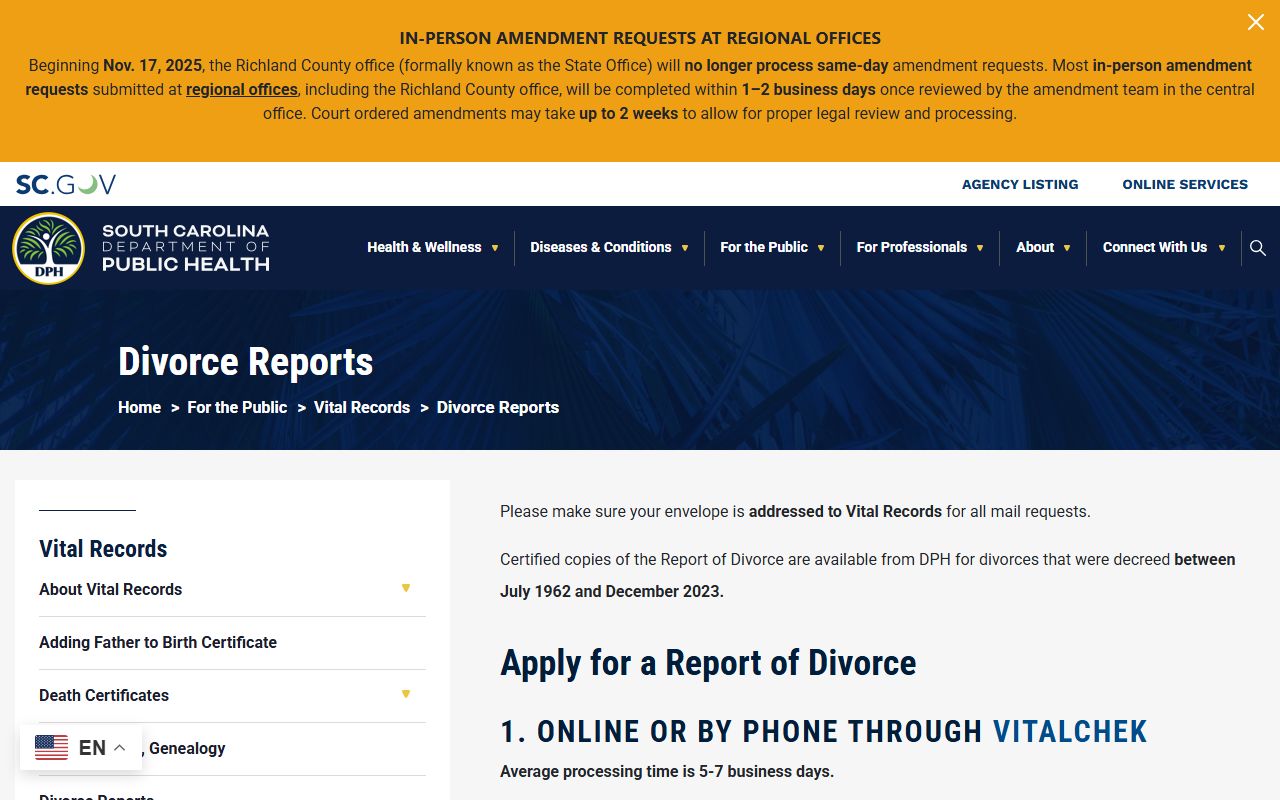
DPH reports confirm that a divorce was recorded with the state. They do not include case terms or court orders. For full documentation, request certified copies from the York County clerk.
If you need to certify a document for use in another country, the South Carolina Secretary of State can add an apostille to vital records and court-certified copies. This is used when foreign agencies require official state authentication.
Note: DPH divorce reports are not legal substitutes for certified court decrees. They serve as confirmation of the event but do not carry the same official weight for legal transactions.
Legal Help for Fort Mill Residents
Fort Mill residents who need legal help with a divorce have several options. SC Legal Services provides free civil legal assistance to low-income South Carolinians, including those in York County. Their attorneys handle family law matters and can advise on divorce procedure and filings.
The South Carolina Bar's lawyer referral program connects people with licensed attorneys for an initial consultation at a reduced cost. Many York County attorneys who handle family law cases offer flexible fee arrangements, especially for uncontested divorces where both parties have already agreed on all terms. Uncontested cases move faster and typically cost less.
Court forms, including the standard SCCA299, are available on the SC Courts website. These forms are the starting point for most self-represented filers. The York County clerk can tell you which forms to use, though they cannot fill them out for you or advise on legal strategy.
The SC Judicial Branch website has detailed information about the family court system, including what to expect when filing a divorce case in South Carolina.
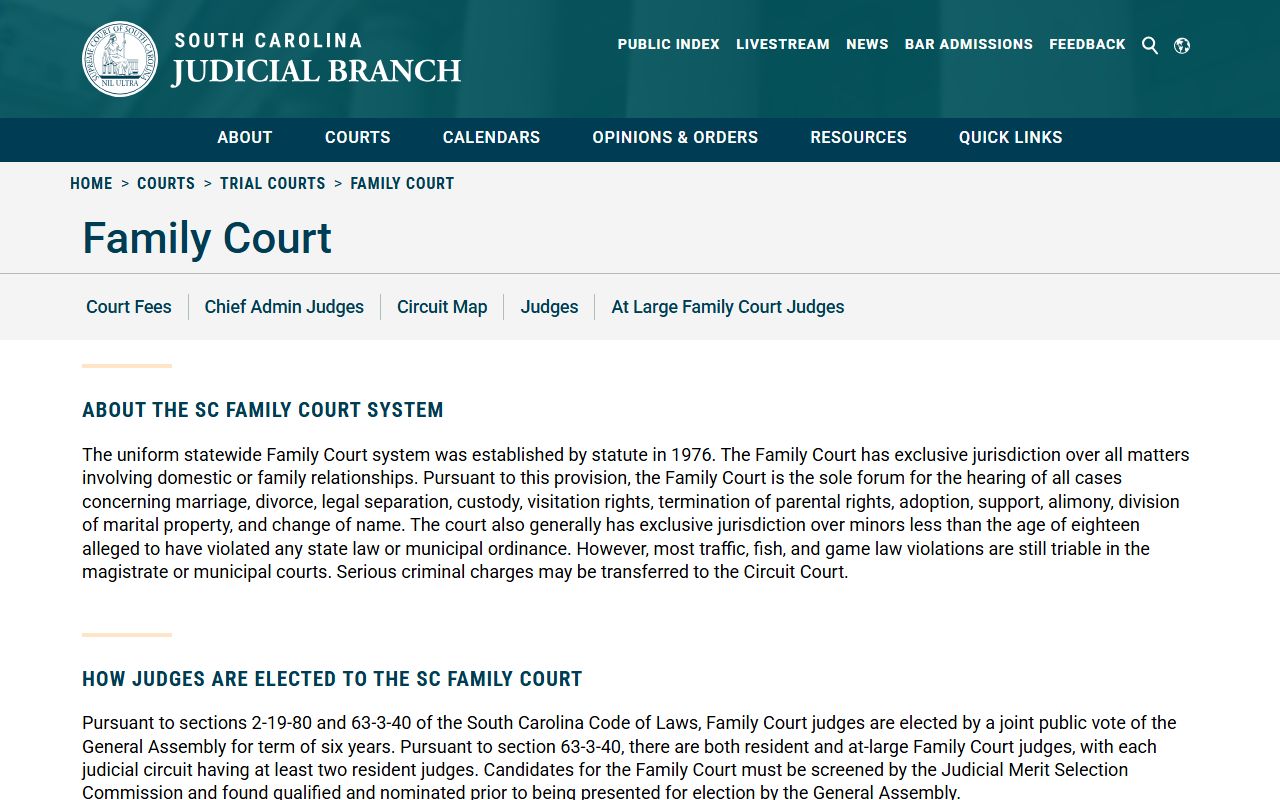
South Carolina's Family Court was established in 1976. Every county has a family court division that handles divorce and related matters. Fort Mill residents use the York County division in York.
Note: Fort Mill's growth means the community has many new residents from out of state. If you moved from another state recently, make sure you have met South Carolina's residency requirement before filing.
York County Divorce Records
All Fort Mill divorce records are part of the York County court system. The York County Family Court in York handles every family case from Fort Mill and all other York County communities. You can search cases online through Public Index or go to the clerk's office at 1675-2A York Highway in York to view full case files. The county page covers records access across all of York County.
Nearby South Carolina Cities
These nearby South Carolina cities each have their own divorce records pages. Each handles filings through the family court in its own county.